
Top Causes of Car Accidents and How to Stay Safe
- Burnside Brankamp Law

- May 8
- 8 min read

Key Takeaways
Most accidents are caused by preventable behaviors
Safe driving habits reduce your risk significantly
Legal help protects you after a serious crash
Why Car Accidents Happen More Than You Think

Car accidents can feel random, but the reality is they’re rarely “just accidents.”
Most crashes happen because of predictable, preventable behaviors that drivers repeat every single day.
Whether it’s glancing at a phone, driving a little too fast, or not adjusting to weather conditions, these small decisions add up. Understanding what actually causes accidents puts you in a better position to avoid them altogether.
If you’re reading this, there’s a good chance you’re either trying to stay safe on the road or dealing with the aftermath of a crash.
Both situations come with a lot of uncertainty. You might be wondering what went wrong, how it could’ve been prevented, or what steps you should take next.
The more informed you are, the more confident you’ll feel handling whatever comes your way.
This guide is designed to break everything down in a simple, real-world way.
You’ll learn the most common causes of car accidents, practical ways to protect yourself, and what to do if you ever find yourself in a crash.
And if things do go wrong, you’ll also understand when it makes sense to bring in a personal injury lawyer to protect your rights.
Distracted Driving: The Leading Cause of Accidents
Distracted driving is one of the biggest reasons accidents happen today, and it’s more common than most people realize.
It’s not just texting and driving, although that’s a major factor, it includes anything that takes your attention away from the road.
Eating, adjusting the radio, checking directions, or even talking to passengers can create enough distraction to cause a crash in seconds.
The danger comes from how quickly situations change on the road.
You might look down at your phone for just a few seconds, but in that time, traffic can slow, a car can stop suddenly, or someone can merge into your lane.
Those few seconds of inattention can be the difference between a close call and a serious collision. Many drivers underestimate just how little time they actually have to react.
Staying focused while driving is one of the simplest and most effective ways to prevent accidents.
Putting your phone away, setting up directions before you start driving, and limiting distractions inside the car can significantly reduce your risk.
It’s about being intentional behind the wheel and treating driving like the full-time responsibility it is.
Speeding: Why “Just a Little Over” Still Matters

Speeding is another major cause of car accidents, and it’s often brushed off as harmless.
Many drivers think going five or ten miles over the speed limit isn’t a big deal, especially when traffic is light or they’re in a hurry.
But even small increases in speed can dramatically reduce your ability to react and increase the severity of a crash.
When you’re driving faster, you have less time to respond to unexpected situations.
A car stopping suddenly, debris in the road, or a driver making a mistake becomes much harder to avoid. On top of that, the faster you’re going, the more force is involved in a collision.
That means higher speeds often lead to more serious injuries and more extensive damage.
Driving at a safe speed isn’t just about following posted limits, it’s about adjusting to conditions.
Weather, traffic, and road quality all play a role in how fast you should be going. Slowing down, even when you feel tempted to rush, is one of the easiest ways to protect yourself and everyone around you.
Driving Under the Influence (DUI): Alcohol, Drugs, and Impairment
Driving under the influence remains one of the most dangerous and preventable causes of car accidents.
Alcohol, drugs, and even certain prescription medications can impair your ability to drive safely.
They affect your reaction time, judgment, coordination, and awareness, making it much harder to respond to what’s happening around you.
What makes impaired driving especially dangerous is that it often gives drivers a false sense of confidence.
Someone under the influence may feel capable of driving, even though their abilities are significantly reduced.
This disconnect between perception and reality is what leads to so many serious and often fatal accidents.
The safest approach is simple, if you’ve consumed anything that could impair your driving, don’t get behind the wheel.
Use a rideshare, call a friend, or plan ahead before going out. It’s a small decision that can prevent life-changing consequences for you and others on the road.
Reckless and Aggressive Driving
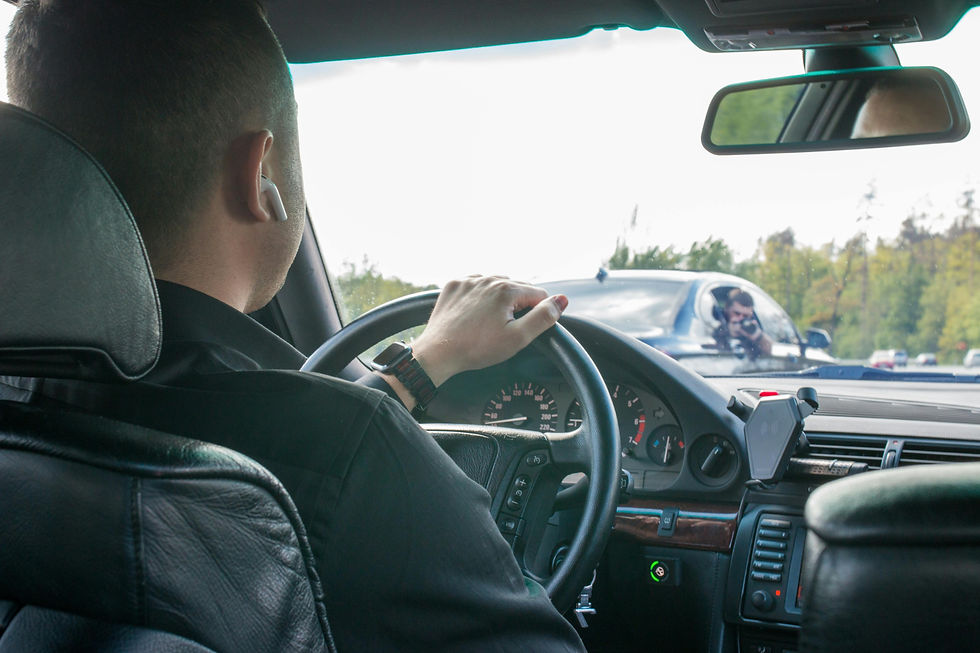
Reckless and aggressive driving behaviors are another leading cause of accidents, and they often stem from frustration or impatience.
Tailgating, speeding through traffic, weaving between lanes, and engaging in road rage are all examples of driving decisions that increase risk for everyone on the road.
These behaviors don’t just affect the driver making them, they create unpredictable situations for other drivers.
When someone is driving aggressively, it becomes harder for others to anticipate their actions. This lack of predictability increases the chances of collisions, especially in heavy traffic or at high speeds.
Staying calm and patient behind the wheel can go a long way in preventing accidents.
Giving yourself extra time, maintaining a safe following distance, and avoiding emotional reactions to other drivers helps create a safer environment for everyone.
Driving isn’t just about getting from point A to point B, it’s about doing so responsibly.
Weather Conditions and Poor Visibility
Weather plays a significant role in many car accidents, but it’s often not the weather itself that causes the crash, it’s how drivers respond to it.
Rain, snow, ice, and fog can reduce visibility and make roads more slippery, increasing the chances of losing control or not seeing hazards in time.
One of the biggest mistakes drivers make is failing to adjust their driving to match conditions.
Driving at normal speeds during heavy rain or on icy roads significantly increases the risk of accidents.
Reduced traction means longer stopping distances, and poor visibility makes it harder to react to what’s ahead.
To stay safe, it’s important to slow down, increase your following distance, and use headlights appropriately.
In severe conditions, avoiding driving altogether may be the best choice. Being cautious and aware of changing weather conditions can make a major difference in preventing accidents.
Running Red Lights and Ignoring Traffic Signs

Intersections are one of the most dangerous places on the road, and many accidents happen because drivers ignore traffic signals or signs.
Running red lights, failing to yield, or rolling through stop signs can lead to high-impact collisions, often involving multiple vehicles.
These types of accidents are especially dangerous because they often happen at higher speeds and from unexpected angles.
A driver who assumes they have the right of way may not have time to react if another driver ignores a signal. This can result in serious injuries and significant damage.
Paying attention to traffic signals and following the rules of the road is essential for preventing these accidents.
Taking a few extra seconds to stop fully and check for other vehicles can make all the difference. It’s a simple habit that can save lives.
Fatigue: The Overlooked Danger
Driver fatigue is often overlooked, but it can be just as dangerous as driving under the influence.
When you’re tired, your reaction time slows, your focus decreases, and your decision-making becomes impaired. In some cases, drivers may even fall asleep at the wheel.
Long drives, lack of sleep, and late-night travel all contribute to fatigue.
Many people underestimate how tired they are or believe they can push through it.
Unfortunately, fatigue doesn’t work that way, it gradually affects your ability to drive safely, often without you realizing it.
If you’re feeling tired, the safest option is to take a break or avoid driving altogether.
Getting enough rest, sharing driving responsibilities on long trips, and recognizing the signs of fatigue can help prevent accidents. Your safety is always worth the extra time.
Vehicle Issues and Poor Maintenance
Not all accidents are caused by driver behavior, sometimes, vehicle issues play a role.
Problems like worn brakes, bald tires, or malfunctioning lights can increase the risk of an accident. Regular maintenance is essential for keeping your vehicle safe and reliable.
Ignoring maintenance can lead to unexpected failures at the worst possible time.
For example, worn tires can reduce traction, especially in wet conditions, while faulty brakes can increase stopping distance. These issues may seem minor but can quickly become dangerous.
Taking the time to maintain your vehicle can help prevent these problems.
Regular inspections, timely repairs, and staying on top of routine maintenance ensure that your car is in good condition. It’s a proactive step that can make a significant difference in your safety.
How to Stay Safe on the Road (Actionable Tips)

Staying safe on the road comes down to developing consistent, mindful habits.
Defensive driving is one of the most effective strategies, which means being aware of your surroundings, anticipating potential hazards, and maintaining control of your vehicle at all times.
Eliminating distractions is another key step. Keeping your focus on the road, setting up navigation ahead of time, and avoiding multitasking while driving can greatly reduce your risk.
It’s about creating an environment where your attention is fully on driving.
Planning ahead also plays a role in safety. Leaving early, checking weather conditions, and knowing your route can help you avoid rushing or making sudden decisions.
Safe driving isn’t about perfection, it’s about making better choices consistently.
What to Do Immediately After a Car Accident
If you’re involved in a car accident, the first priority is safety. Check yourself and others for injuries and call emergency services if needed.
Moving to a safe location, if possible, can help prevent further accidents.
Once everyone is safe, documenting the scene is important. Take photos, gather contact information, and exchange insurance details.
Avoid admitting fault, even if you’re unsure what caused the accident, as this can affect your claim later.
Staying calm and focused during this time can make a big difference. It’s a stressful situation, but taking the right steps helps protect your safety and your ability to handle the situation properly afterward.
When to Contact a Personal Injury Lawyer

Not every accident requires legal help, but there are situations where contacting a personal injury lawyer is the best decision.
If you’ve been injured, if fault is being disputed, or if you’re dealing with insurance complications, having legal guidance can protect your interests.
Insurance companies often aim to minimize payouts, which can leave you covering expenses out of pocket.
A lawyer can help ensure that your rights are protected and that you receive fair compensation for your injuries and damages.
Reaching out to a lawyer early can make the process smoother and less stressful. It allows you to focus on recovery while someone else handles the legal aspects of your case.
How a Personal Injury Lawyer Can Help You
A personal injury lawyer plays a crucial role in navigating the aftermath of a car accident.
They handle everything from investigating the accident to negotiating with insurance companies, ensuring that you’re not taken advantage of during a difficult time.
They also help calculate the full extent of your damages, including medical bills, lost wages, and pain and suffering.
This ensures that you’re seeking the compensation you truly deserve, not just what’s initially offered.
Having someone experienced on your side provides peace of mind. It allows you to focus on healing while knowing that your case is being handled professionally and effectively.
Staying Safe Starts With Awareness
Car accidents are often preventable, and understanding their causes is the first step toward staying safe.
By recognizing risky behaviors and making conscious decisions behind the wheel, you can significantly reduce your chances of being involved in a crash.
At the same time, it’s important to be prepared for the unexpected. Knowing what to do after an accident and when to seek legal help can make a difficult situation more manageable.
Being informed gives you control, even in challenging circumstances.
If you’ve been involved in an accident and need guidance, reaching out to a trusted personal injury lawyer can help you move forward with confidence.
You don’t have to navigate the process alone, support is available when you need it most.


Comments